2015年1月11日星期日

Digital Scrapbook Entry#6 - China

Agnes Yu

Period 7 - WORLD HISTORY

01 / 11 / 15
        
                            "Foot-binding" in the ancient time compares to nowadays
Link 1)

http://www.theatlantic.com/china/archive/2013/09/the-peculiar-history-of-foot-binding-in-china/279718/

Link 2)

http://www.thedailybeast.com/articles/2014/07/02/china-s-last-foot-binding-survivors.html


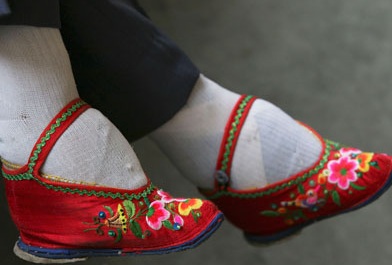
  In ancient China, food-binding was a normal thing that happened to all the women. They bound 

their feet at the age of six. They  needed to suffer from this painful custom. Some women even 

thought that it's a beautiful and acceptable thing. The feet were binding with the cloth and after a long 

time they would become really tiny. People needed to make beautiful shoes for those feet, and the 

women needed to practise how to walk with their's uncomfortable feet.
In ancient China, women and men thought that tiny feet are beautiful. They thought that they can 

wear something that is fancy and beautiful. Also, people at that time imagined that women have tiny 

feet can walk lightly or dance on special surface such as lotus leaf.
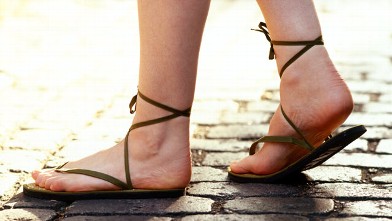
Foot-binding ended in 1949, Western countries opposed this painful thing. And by the control of Mao 

ZeDong, Foot-Binding thoroughly out of China, but in those far away countrysides, there're still a 

few people doing foot-binding. Nowadays, no matter girls or women, their feet can grow normally 

just like other people in this world. They can buy big shoes and a lot of girls in China wearing size 9 

or 10 shoes or even larger. 

The food-binding custom no more exists in China nowadays, this is a dark history in ancient China 

even though a lot of Chinese women were proud about this traditional thing and how lucky they have 

experienced that. It's a good thing that you don't have to do foot-binding anymore, your feet grow 

well and no need to suffer from anything:)


2015年1月5日星期一

Thoughts and Reflections on Two Ancients Cities Follow Diverse Paths

                                                                                                                                                           Yu 1
Agnes Yu

Period 7 World History

Ms. Mitchell

1 / 5 / 15


  Athens and Sparta were different in fundamental ways. They were two harsh ruling systems. The

most basic one is that Sparta was 3 times bigger than Athens . Another difference was that Sparta

ruled autocratically but Athens had ruled by many different people, the last ruler of Athens was wise

and treated his people fairly. Spartans were born to be warriors, no matter women or men, they both

needed to be trained and to fight (for most of them). However, some of the Athenians were free and

have rights,  some of them could take part in ruling council but only men(and had to be citizens)

could take part in those works.

  The Greeks had many accomplishments, Athens towarded democracy(it was the first one), both the

Athens and Sparta had poems, literature, music and arts. They even had their government and rules.

They had wars and kept a lot of things in words so that people could know what happened in the past.

  It's the similar ways that how America rules and how Greeks ruled. Greeks had a lot of different

states so that they could hold all of life's possibilities. Life in Greeks was vivid and because they had

small states they could see almost everything. In the U.S, it has a lot of city states and this is  similar

to Greeks. They both have governments and the rules for life, people and states. That's how I feel

America has the legacy from greeks.

2014年12月11日星期四

Digital Scrapbook Entry #5 -India

                                                                                                                                                           Yu 1
Agnes Yu

Period 7

World History          

12 / 12 / 14  

           " How does the Ganges River functioning in ancient India and bringing negative aspects to India nowadays."

Link 1: http://www.thewaterpage.com/ganges.htm

Link 2: http://www.all-about-india.com/Ganges-River-Pollution.html


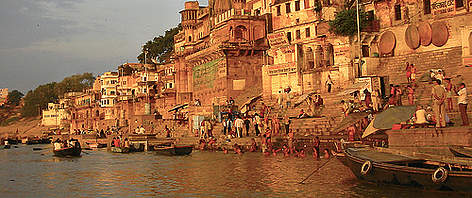
  The Ganges River is such an important river to India and Indian people. A lot of things started there:

people have businesses through this river, they washed their clothes in this river, they swim in this

river and have bath in the Ganges River, Indian people think that this is sacred to have a shower in

this river, because they thought the water is holy and they could wash away the bad things and gained

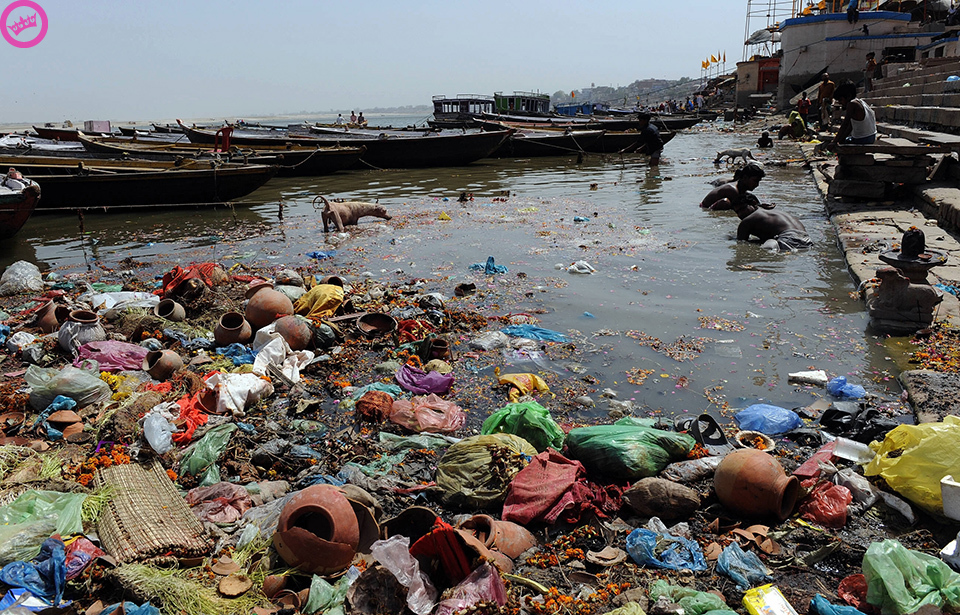
spiritual improvements. It meant a lot to India but as the time past, The Ganges River has been

polluted and people don't pay attention to its environment, it caused the situation that the river

became dirty today.


  In the ancient India (and even in the modern times) , India has provided so many important

functions to India, for thousands of years, this river has been essential to sustain millions of people. It 

provides life resources for a great amount of people, the river sustain millions of farmers, its 

tributaries provide the water source for the major cities and so many Indian people live depend on the 

river. Some people even have their business through the Ganges River, they got up very early each 

morning and washed clothes for a lot of people, at night they dried them and delivery to those people, 

and these business men got paid after that. That's how they make money, money is important because 

they depend on them to raise the family, therefore, you can see how necessary the Ganges River is for 

those people.


But nowadays, people who lives in India didn't realize to protect the River, to them, the river is more than 

just a river, it's like a mother that provides live hoods for people. But recently, the river has been 

suffering great pollution which damages it a lot. People poured the bone ashes in the river and it 

became so dirty but their's still so many people having bathes everyday thus it makes the Ganges river 

even worse.


  As a conclusion, the Ganges River has provided so much valuable functions to people, some Hindus 

believe that life is incomplete without bathing in this river, they think that the water can cleanse a 

person's soul of all past sins and that it can also cure the ill, so people even drink it. From my opinion, people 

from now should start to protect the river, it's their "mother", and if one day they lose the river, India will be in a 

great danger, people will start to lost their jobs and the spiritual people will become less faithful. Thus it's 

important that people much have the ideas to protect the Ganges River since it's really necessary.


2014年12月8日星期一

Trade between China and the U.S Video

Agnes Yu                                                                                                                                            Yu 1

Period 7

World History

12 / 8 / 14

2014年12月7日星期日

(For Extra Credits) Chinese Landscape Paintings

Agnes Yu

World History 1

Period 7

12/7/14


China Silk Road Map

Agnes Yu                                                                                                                                        Page 1

World History 1

Period 7

12/7/14


2014年12月1日星期一

Thoughts and Reflections on:Women in ancient China

Agnes Yu

Period 7 World History

12/1/14

  Women and men did a lot of different things in ancient China, people had different positions,

sometimes women had there own strength.


  Taoist has the symbol of Yin and Yang, it refers to black and white, wrong and right, the dark swirl

is the passive, it means feminine, however, the light swirl refers to male. It's a symbol of Tai-chi.

However, through Taoism, women could express both female and male characteristics. They could

seek spiritual accomplishments beyond their family duties, and some women could even take part in

the events about philosophy and religion. Only, the Hsi Huang Mu mentioned about how the

pervasive fear that women could bring chaos by upsetting the cosmic yin/yang harmony.

  Buddhism also granted women some aspects of empowerment. Women went on pilgrimages in the

temples, some of them gave public speeches. During Wu Zetian's reign, which is the only one female

emperor in Chinese history, women allowed to enjoy relatively great status and freedom.  


  But all of these are different in Confucianism. Confucianism promoted the beliefs in women's status.  

Confucius placed women at lower end of the family structures. During the period, lessons were really

important and they were one of the most durable sources of advice about female behaviors.

 
  During the Song Dynasty which is the period of Neoconfucianism stratified more positions and

works of women. The loyalty of women and the worship of men started to spread out, it brought the

results of selling unwanted daughters and cruel footbinding.  During the long revolution, the state

promoted and negate new roles for women. During the Guomindang's counter revolution, there were

a lot of cruel things happened to women.  But the Communists, erased the rules and set the women

free.  Mao Zedong got women out of the home and into works, therefore, a lot of female peasants

appeared.